

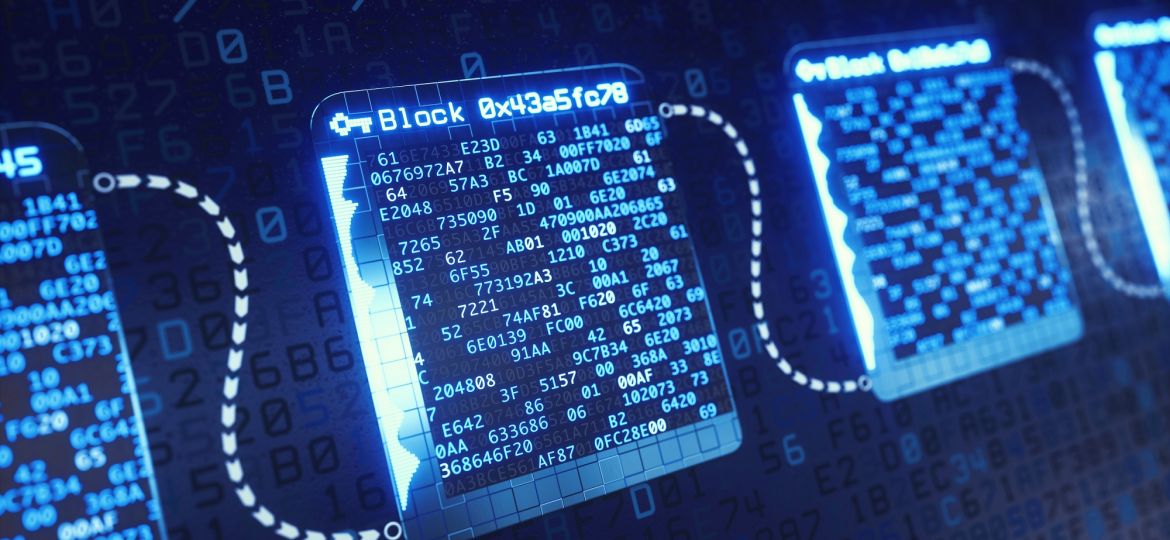
Blockchain technology, often associated with cryptocurrencies like Bitcoin, is a revolutionary digital framework that’s reshaping various industries beyond finance. At its core, blockchain is a decentralized ledger that records transactions across a network of computers. This innovative technology offers a high level of security and transparency, making it nearly impossible to alter historical data. Let’s delve into what blockchain is and provide a simple overview of its workings.
What is Blockchain?
Blockchain is essentially a chain of blocks, but not in the traditional sense of those terms. Here, “block” refers to digital information (the transactions) stored in a public database (the chain). Each block contains a collection of transactions that have occurred within a network at a given time. Once a block is filled with transactions, it’s added to the chain in a linear, chronological order.
The decentralized nature of blockchain technology means that it operates on a peer-to-peer network, with no central authority, like a bank or government, overseeing it. This ensures that transactions are transparent and verifiable by all participants in the network.
How Does Blockchain Work?
To understand how blockchain works, let’s break it down into four key steps:
- Transaction Initiation: A transaction is initiated by one party, intending to transfer digital assets or information to another party.
- Block Creation: Once a transaction is initiated, it’s broadcasted to a network of computers, known as nodes. These nodes validate the transaction using algorithms. Upon validation, the transaction is combined with other transactions to create a new block of data for the ledger.
- Block Verification: Before a new block can be added to the blockchain, it must be verified by the majority of nodes in the network. This process involves solving a complex mathematical puzzle, known as proof of work, which ensures the block’s authenticity and prevents fraud.
- Block Addition to the Chain: Once verified, the new block is added to the existing blockchain, in a way that is permanent and unalterable. This block, now part of the chain, contains a unique code called a hash, as well as the hash of the previous block, creating a link between them. This ensures the integrity of the blockchain’s entire history.
Key Features of Blockchain
- Decentralization: Unlike traditional ledgers, blockchain doesn’t have a central location or authority. The ledger is distributed across a wide network of computers, making it more secure and resilient against attacks or failures.
- Transparency: All participants in a blockchain network can view the transactions stored in the blocks, ensuring transparency and trust among users.
- Immutability: Once a transaction is recorded in a block and added to the chain, it cannot be altered or deleted. This immutable nature of blockchain makes it tamper-proof.
- Security: Blockchain uses cryptographic hashing and consensus models like proof of work or proof of stake to ensure the security and integrity of transactions.
Applications of Blockchain
Blockchain’s potential extends far beyond cryptocurrencies. Its applications are vast and varied, including supply chain management, voting systems, identity verification, smart contracts, and more. In each of these applications, blockchain’s inherent qualities—decentralization, transparency, immutability, and security—offer significant advantages over traditional systems.
Conclusion
Blockchain technology is more than just the backbone of cryptocurrencies; it’s a foundational technology that has the potential to transform various sectors by enabling secure, transparent, and tamper-proof systems. While it’s still in its early stages, understanding the basic principles of how blockchain works is the first step towards appreciating its potential impact on the digital world.
As blockchain technology continues to evolve, it will undoubtedly present new challenges and opportunities. Embracing this technology requires a shift in traditional thinking about data, security, and transactions. The future of blockchain is promising, and its journey has only just begun
